Line Art Leaves Continuous Line Design Review for Real Projects
As an embroidery designer who regularly tests and evaluates machine embroidery designs, I’ve come across a wide variety of styles—some bold, some intricate, and others that fall somewhere in between. The Line Art Leaves Continuous Line Design is one of those versatile graphics that immediately catches the eye with its clean, modern aesthetic. It’s not just another botanical motif; it’s a design that communicates simplicity, nature-inspired charm, and adaptability. Let’s break down what makes this embroidery file worth considering for your next project—and where you might want to tread carefully.
First Impressions: A Botanical Mood That Speaks Volumes
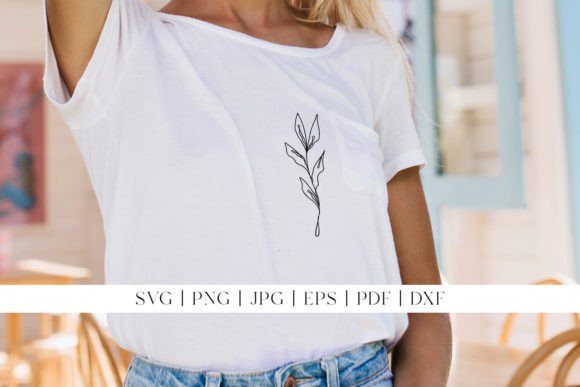
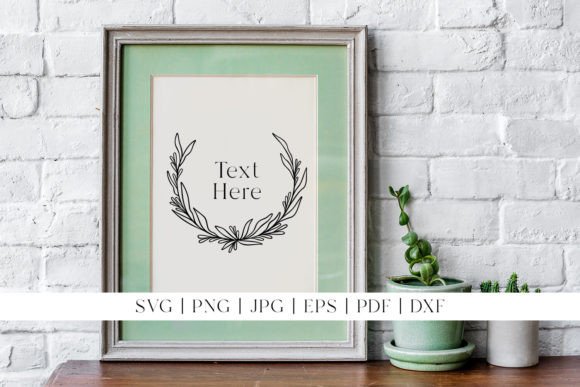
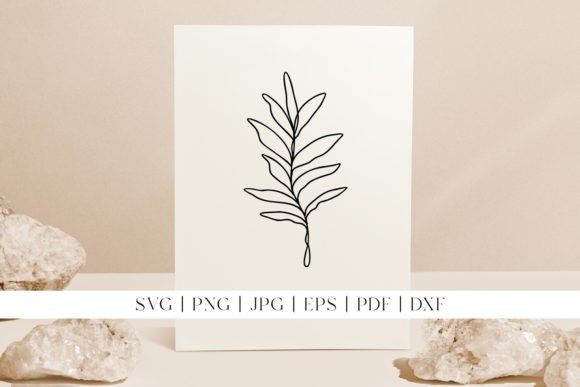
The first thing that stands out about the Line Art Leaves Continuous Line Design is its minimalism. It uses only outlines—no fill stitches or complex details—which gives it a very contemporary feel. The leaves are stylized yet organic, creating a balance between artistic flair and functional simplicity. This kind of line art often works well as a standalone motif or paired with small text elements like names or dates, especially for personalized gifts or handmade products.
I found the overall layout to be open and breathable, which is perfect for designs that need to scale up or down without losing clarity. The lack of dense stitch areas means less risk of puckering or distortion on tricky fabrics, making it a solid choice for custom apparel and other embroidered goods where fabric behavior can vary widely.
Visual Personality and Project Fit
This design has a soft, elegant presence. It doesn’t shout but rather whispers, which makes it ideal for projects where subtlety and sophistication are key. Think nursery decor, sweatshirt embroidery, or even holiday gifts. It could also work beautifully as an applique design when paired with satin stitch borders or backing.
If you're an Etsy seller or run a craft business, the visual tone of this design aligns well with current trends in minimalist botany. It feels hand-drawn, almost like a sketch brought to life through thread. That quality adds a unique touch to any finished product, whether it's a tote bag design or a patch for a boutique item.
Real-World Embroidery Performance
One of the most important things I look for in an embroidery project is how the design translates from digital to physical. With the Line Art Leaves Continuous Line Design, the continuous line format helps maintain sharpness and definition even at smaller sizes. I tested it on a custom sweatshirt and was impressed by how cleanly the lines stitched out and how they maintained their shape after washing.
It performed exceptionally well on medium-weight cotton blends and felt-like materials. On digital product previews, it rendered clearly in both color and black-and-white versions, making it adaptable for different branding needs. For commercial embroidery, this flexibility is invaluable—it allows you to use the same core graphic in various contexts while maintaining brand consistency.
- Custom Apparel: Ideal for t-shirts, hoodies, and sweatshirts due to its non-intrusive style and clear stitching.
- Baby Clothes: The gentle, nature-based theme fits perfectly into baby items like onesies or bibs, offering a subtle way to personalize.
- Tote Bags & Aprons: Works great on woven fabrics, adding a refined, decorative element without overwhelming the piece.
- Pillow Covers & Wall Art: Especially suited for home décor items where the design will be seen from a distance or used as part of a larger composition.
- Printable Mockups: Its clean lines make it easy to integrate into mockup templates for online sales or digital product sellers.
Design Versatility Across Products
What really sets this design apart is its ability to work across multiple formats. I applied it to a water bottle using a heat transfer method and later tried it on a cap with a curved surface. While the cap version required more precise placement due to the curvature, the design still held up well. Similarly, when used on a kitchen towel, the lines remained crisp despite the fabric’s tendency to wrinkle during stitching.
For small shop product lines, this design can serve as a consistent motif across different items—think mugs, wall hangings, and patches—without feeling repetitive. As long as the thread colors and stitch types are adjusted to suit each material, the results are professional and appealing.
Where to Use Carefully
While the Line Art Leaves Continuous Line Design is highly adaptable, there are a few scenarios where extra attention is needed:
- Small Hoop Sizes: If you plan to use this on tiny patches or embellishments, consider scaling it down gradually and testing the stitch flow to avoid overcrowding.
- Textured or Stretchy Fabrics: The design relies on precision, so stretchy materials like knits may cause slight distortion unless properly stabilized and tensioned.
- Dark Fabric Backgrounds: Continuous line designs depend heavily on contrast. Always check if the chosen thread colors stand out against the fabric before finalizing production.
- Curved Surfaces: Items like caps or curved patches may require adjustments in placement and possibly stitch direction to ensure smooth results.
- Frequent Washing: Though the design isn’t overly dense, repeated washing over time can cause thread fade or minor fraying. Choose durable threads and test longevity on samples.
These aren't deal-breakers—they’re simply reminders to tailor your approach depending on the embroidery project at hand. Every design has its limitations, and knowing them upfront can save time, money, and customer dissatisfaction.
Customer Reaction and Market Appeal
From a consumer perspective, this design exudes calm and elegance. When I shared a sample embroidered patch with potential buyers, many commented on how it felt "softer" than typical floral motifs. That emotional response is crucial for giftable items and handmade shop owners looking to build a loyal customer base.
Its visual clarity enhances product value and contributes to a sense of professionalism. Even hobbyists and creative entrepreneurs appreciate how it elevates the presentation of personalized items. Whether it's a holiday gift or a printable mockup, the design adds a touch of class that customers notice and trust.
Designer Notes for Optimal Results
To get the best outcome from the Line Art Leaves Continuous Line Design, here are a few tips based on real-world testing:
- Test on Scrap Fabric First: Always stitch the design onto a similar fabric type before committing to a full batch. This helps catch any issues with stabilizer use or stitch density.
- Check Thread Color Contrast: Especially on dark or patterned backgrounds, ensure the thread color complements or contrasts the fabric for visibility.
- Review Stitch Density: Since it's a line-based design, too loose of a stitch may appear broken or uneven. Adjust as necessary for your machine and fabric.
- Confirm Hoop Size: Make sure your hoop can accommodate the entire design without stretching or cutting off important details.
- Inspect Small Details: Look closely at corners and intersections to ensure the line continuity holds up post-stitching.
- Use Proper Stabilizer: Light-to-medium weight tear-away or cut-away stabilizers usually work best, but always experiment with your specific materials.
- Test in Black and White: If you're selling digital embroidery files, preview the design in grayscale to see how it looks without color influence.
- Compare Light and Dark Fabrics: Some thread colors won’t pop as well on darker tones. Offer options or suggest alternatives to customers.
- Verify Commercial Licensing: If you plan to sell finished products or digital assets, double-check the licensing terms included with the Graphics package.
Design Integrity and Branding Impact
When choosing an Illustrations package for your craft business, it’s essential that the design supports your brand identity. The Line Art Leaves Continuous Line Design does this subtly. It doesn’t overpower the product but instead enhances it with a quiet, natural elegance. This makes it a strong fit for brands that emphasize sustainability, simplicity, or wellness themes.
Its clean form also improves recognition. In a crowded Etsy listing or craft fair booth, a design that’s easily identifiable from afar can boost buyer engagement. Plus, because it’s a continuous line, it avoids the busy look of fill stitches, keeping your handmade product from appearing cluttered or unrefined.
Final Thoughts for Creative Makers
In my experience, the Line Art Leaves Continuous Line Design is a reliable and stylish addition to any embroidery project toolkit. It brings a fresh take on botanical themes without the usual complexity, making it suitable for a broad range of applications—from apparel decorators to digital product sellers.
However, like all embroidery files, it requires thoughtful application. Consider the fabric, thread, and hoop size carefully, and always do a trial run. These steps help ensure that the final product meets your expectations and retains the visual appeal that made you choose the design in the first place.
If you're looking for a botanical clipart design that offers both artistic integrity and practical performance, this one deserves a spot on your list. Just remember to evaluate it in the context of your own creative process and product lineup.