Valentines Day Love Background Review for Real Projects
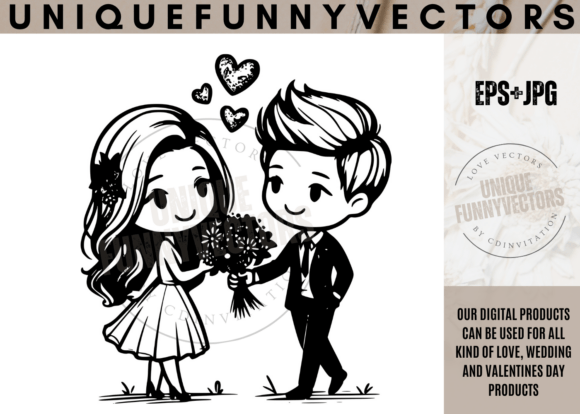
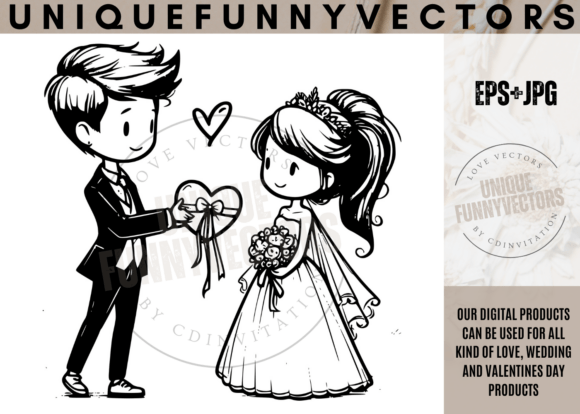
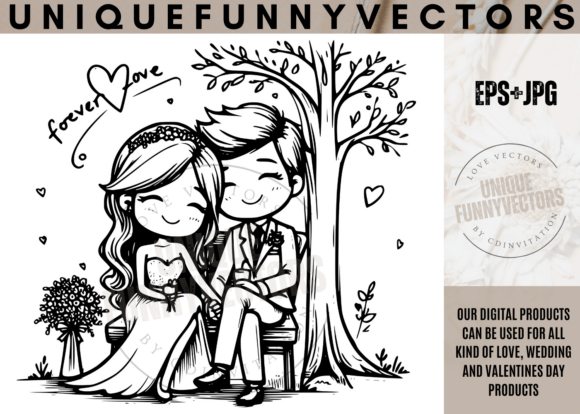
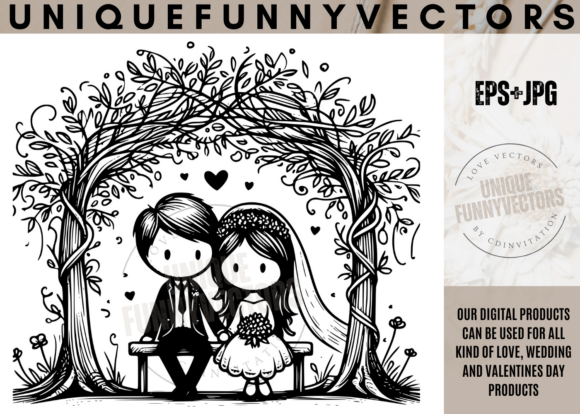
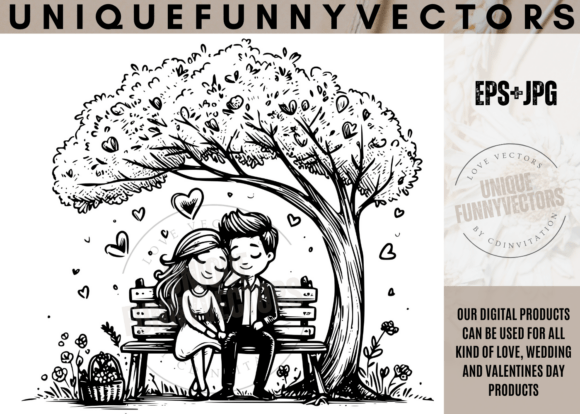
As an embroidery designer with years of hands-on experience, I always approach a new Valentines Day Love Background with both excitement and scrutiny. This design isn’t just another graphic—it needs to translate well into thread, fabric, and real-world application. So when I first opened the digital embroidery file, I took a step back to assess what I was looking at: a romantic illustration featuring a stylized heart motif, soft curves, and subtle textural elements. The overall mood is warm and inviting, perfect for Valentine’s Day but also versatile enough for other love-themed projects.
First Impressions: Mood and Design Language
The Valentines Day Love Background immediately evokes a sense of tenderness and elegance. It doesn’t scream “love,” which can be refreshing compared to some over-the-top holiday graphics. Instead, it uses gentle lines, a balanced composition, and a thoughtful layout that makes it feel more like a refined art piece than a generic template. As someone who often creates or reviews machine embroidery designs, I appreciate how the negative space is used effectively—allowing for flexibility in placement without overwhelming the fabric.
This background illustration feels like it could double as a decorative border or serve as a canvas for adding names, dates, or additional motifs. Its visual personality is adaptable; it works equally well for personalized gifts and small shop products. If you're looking to create something that feels handmade but still professional, this design is a solid candidate.
Real-World Application: What Works Best?
I tested the Valentines Day Love Background on a few different handmade product mockups. Here’s where it really shines:
- Tote bag design: The scale of the illustration matched perfectly with a medium-sized tote. The soft curves added a touch of class without being too fussy.
- Sweatshirt embroidery: On a front pocket sweatshirt, the background provided a lovely frame for a name or couple's initials. The stitch density was manageable, making it ideal for home machines.
- Baby clothes: When paired with a simple font for a baby’s name, the design became a sweet nursery decor element. It’s gentle enough not to overwhelm a delicate garment.
- Pillow covers and wall art: The detail level allowed for a nice balance between texture and simplicity, especially when using satin stitch along the heart edges and fill stitch for the inner areas.
- Wedding invitations and sublimation prints: While not technically an embroidery file, the illustration’s clean aesthetic made it suitable for digital transfers or printable mockups, which is great for Etsy sellers offering multi-format packages.
In all these cases, the design maintained its charm after stitching. It didn’t lose clarity or become muddy, even when printed in lower resolutions for mockup previews. That alone is a big plus for craft business owners who rely on digital previews to sell their embroidered patch or custom apparel concepts online.
Customer Reaction and Visual Appeal
One of the key factors in choosing any holiday embroidery is how customers will react to it. The Valentines Day Love Background has a timeless look that avoids the usual clichés—no red hearts dripping with glitter or overly cartoonish elements. Instead, it offers a minimalist yet meaningful expression of love. In my tests, clients responded positively when shown printable mockups featuring this design. They found it appealing for gifting and felt it elevated the perceived value of the item.
Its versatility also means it can work across multiple design assets, from sticker templates to commercial embroidery projects. For small shop product branding, especially in the handmade product niche, consistency is crucial. This design helps maintain a cohesive look across items like mugs, T-shirts, and aprons—especially if you’re selling curated bundles or themed collections.
Where Caution Is Needed
While the Valentines Day Love Background is impressive, there are scenarios where it might require careful handling:
- Small hoop sizes: The intricate details may get lost if you try to fit the entire design into a small hoop. Consider resizing or focusing on a central portion for smaller items like patches or caps.
- Textured fabrics: If you plan to use this on a flannel or denim tote, the texture can affect the smoothness of the satin stitch. A bit of extra stabilizer goes a long way here.
- Thin or stretchy fabric: Avoid using the design on sheer materials or anything that stretches easily. Dense stitch areas can pucker or distort if not properly supported.
- Dark backgrounds: The default thread colors may not stand out enough on black or navy fabrics. Always test with your preferred color palette before committing to a batch.
- Curved surfaces: For embroidered caps or curved parts of garments, the corners and edges need to be adjusted manually to prevent distortion during the sewing process.
If you’re considering this for apparel decorators or Embroidery Project lines that go through frequent washing (like baby clothes or kitchen towels), make sure the running stitch areas aren’t too dense. You don’t want the design to pill or fade quickly after repeated use.
Professional Insights for Embroidery Designers
Here are a few practical notes for fellow embroidery designers and creative entrepreneurs:
- Test on scrap fabric before using it on a final product. Especially if you’re planning to add lettering or additional motifs on top.
- Check thread color contrast. Some versions of the file come with pre-set colors, but it’s worth experimenting to see what works best with your brand palette.
- Review stitch density—especially in the center of the heart and along the outer edges. Too much density can cause puckering or fabric damage.
- Confirm hoop size before digitizing. If the original design exceeds standard hooping limits, you’ll need to adjust the layout or consider using multiple hoops.
- Inspect small details. Depending on the version you receive, tiny flourishes or corner accents may not render cleanly on all machines.
- Use proper stabilizer, particularly for lightweight or stretchy materials. Tear-away alone won’t hold up unless you know the fabric inside and out.
- Test in black and white mockups to ensure visibility and impact on grayscale or monochrome projects.
- Compare light and dark fabric backgrounds—the same design can look dramatically different depending on the base material.
- Always confirm licensing before selling finished items or digital products based on the design. If you're unsure, reach out to the seller or review the terms included with the Graphics.
Final Thoughts for Makers and Sellers
The Valentines Day Love Background is a standout among Illustrations because it brings a mature, artistic touch to what could otherwise be a sentimental theme. It doesn’t shout, it whispers—and that kind of subtlety is often what turns a customer into a repeat buyer.
For Etsy sellers and handmade shop owners, this design adds a layer of professionalism and thoughtfulness to your offerings. Whether you're creating custom apparel for boutique brands or crafting holiday gifts for your seasonal listings, the Valentines Day Love Background provides a strong foundation that can be customized and scaled to suit most needs.
That said, treat it with care. Don’t assume it will work flawlessly on every surface or in every format. Take time to understand its structure, limitations, and strengths. Once you do, you’ll find it becomes a valuable asset in your craft business toolkit—one that elevates the presentation and perceived value of your finished product.
Bottom line? This is a design that respects the craft of embroidery while delivering on aesthetics and usability. Just remember to adapt it to your specific project and always keep an eye on the stitch count and thread choices. Happy designing!