Love Frame Line Art Decoration Review for Embroidery Projects
As an embroidery designer who regularly evaluates digital embroidery files for both personal and commercial use, I’ve come to appreciate the subtle balance between artistic appeal and practicality. Love Frame Line Art Decoration is one of those designs that immediately catches the eye but requires a closer look before committing it to a real-world project. Here’s my honest take on how this design holds up in actual stitching scenarios.
First Impressions: Aesthetic and Mood
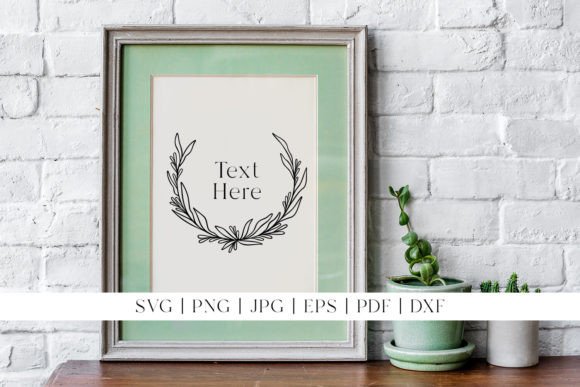
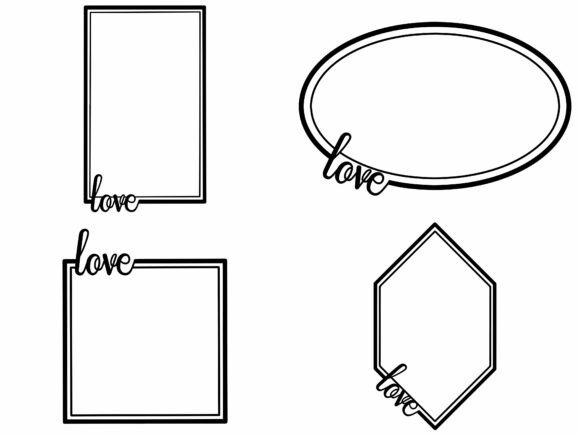
The Love Frame Line Art Decoration brings a clean, minimalist vibe to any canvas. Its soft curves and symmetrical layout suggest a romantic or sentimental theme, making it ideal for projects like wedding invitations, anniversary gifts, or even baby items. The line art style gives it a timeless feel without being overly complex — perfect for modern crafters who want something elegant yet easy to work with.
What stands out visually is its structure. The central “love” motif is framed by delicate lines that provide a sense of order and focus. This makes it feel more like a curated illustration than a generic template. It’s not too busy, nor is it too sparse — it lands in a sweet spot that invites customization while maintaining its core identity.
Visual Personality and Project Fit
I see this design as a great candidate for tote bag embroidery, especially if you're targeting customers who love understated style. It could also work well as a decorative border for sweatshirt embroidery or as part of a nursery decor collection. The open spaces allow room for names, dates, or other text elements, which is a huge plus when creating personalized gifts or branded merchandise.
Real-World Performance in Embroidery Projects
Let’s imagine we’re preparing a custom embroidered tote bag for a boutique client. The first thing I’d consider is how the Love Frame Line Art Decoration interacts with the fabric and thread choices. Since it's line-based, it relies heavily on thread color contrast to stand out. If stitched on a light-colored cotton canvas, it will pop beautifully. On darker or patterned fabrics, however, it might need a bolder thread palette to maintain visibility.
In terms of stitch types, the design uses a combination of running stitch and satin stitch effectively. The frame outline benefits from satin stitch for definition, while the inner details utilize running stitch to keep the overall density manageable. This is a smart approach because it allows the design to be used on various fabric textures without overwhelming them.
For custom apparel such as sweatshirts or T-shirts, the design can serve as a background element or a standalone graphic. It doesn’t require heavy coverage, so it won’t add bulk — a big win for comfort-driven products like baby clothes or casual wear. That said, I’d recommend testing it on a sample garment first, particularly if the final product needs to be washed frequently. Line art tends to show wear over time, and depending on the thread type and tension, some fine details may fade slightly.
Commercial Use and Branding
As someone who works with small shop products and Etsy listings, I appreciate how this design can elevate a handmade item into something more polished. It adds a professional touch that helps build customer trust. Whether you're embroidering a pillow cover for your Etsy store or using it as part of a printable mockup for digital downloads, the Love Frame Line Art Decoration has a visual consistency that supports brand recognition.
It fits well into collections that emphasize handmade presentation and thoughtful design. For instance, pairing it with a hand-lettered name or date can create a cohesive look for holiday gifts or personalized products. Just be sure to check the licensing agreement before selling finished goods or digital assets — many free or cheap designs have restrictions that aren’t always obvious at first glance.
Where to Use With Caution
While the Love Frame Line Art Decoration is versatile, there are certain applications where it may fall short:
- Small hoop sizes: The design contains enough detail that scaling it down too much can cause important elements to become lost or distorted.
- Textured fabrics: Fabrics like denim or canvas can alter the look of line art if not stabilized properly. A little extra care with stabilizer will go a long way here.
- Thin or stretchy materials: These can cause distortion during stitching. Always test on scrap fabric first, especially if you plan to use it on caps or curved surfaces.
- Dense stitch areas: Though the design isn't packed with fill stitches, if you're layering multiple designs or adding text within the frame, be mindful of the stitch density to avoid puckling.
Another consideration is fabric color. Because the design is based on outlines rather than fills, it works best on lighter backgrounds. Try using it on a white or cream tea towel or kitchen apron for maximum clarity. On dark fabrics, you’ll likely need to reverse the colors or add backing stitches to ensure legibility.
Design Notes for Practical Application
If you're planning to use Love Frame Line Art Decoration in a serious project, here are some steps I follow:
- Test on scrap fabric: Before investing in a full production run or customer order, always stitch a small version on leftover material to assess how the design behaves on your specific setup.
- Check thread contrast: Make sure the chosen thread colors offer sufficient contrast against the base fabric. This is especially important for holiday embroidery or gift-related items where visual impact matters most.
- Review stitch density: Even though the design is mostly line-based, adjusting the stitch spacing can help prevent gaps or misalignment, especially if the fabric isn’t perfectly smooth.
- Confirm hoop size: The design may require a larger hoop for full detail retention. If the file doesn’t specify this, do a quick search online or reach out to the designer for guidance.
- Inspect small details: Look closely at corners and inner shapes. If they’re too intricate for your machine or thread, simplify them in the editing software before sending to the machine.
- Use black-and-white mockups: These help you visualize how the design will appear when printed or embroidered in different thread combinations. They’re invaluable for digital embroidery file previews.
- Compare light and dark backgrounds: You might be surprised how differently the same design looks on a white versus a navy-blue base. This is essential for commercial embroidery where customer expectations vary.
- Use proper stabilizer: Especially for thin or stretchy materials. A tear-away or cut-away stabilizer can make the difference between a crisp result and a warped mess.
- Verify licensing: If you’re planning to sell finished products or digital versions, double-check the terms. Some illustrations and graphics come with limitations that could affect your business model.
Customer Reactions and Marketability
From experience, customers respond positively to designs that feel intentional and refined. The Love Frame Line Art Decoration does just that. When applied correctly, it adds a sense of thoughtfulness and quality to handmade products, which can increase perceived value and encourage repeat buyers.
However, if the design appears blurry or inconsistent after stitching — due to poor thread choice or fabric mismatch — it can negatively impact buyer engagement. So, don’t skip the preparation step. Your attention to detail will reflect in the finished product.
Final Thoughts: A Thoughtful Addition to Your Design Kit
The Love Frame Line Art Decoration is a solid choice for a wide range of embroidery projects, especially when simplicity and elegance are key. It feels right at home on embroidered patches, wall art, or gift tags, and it’s flexible enough to adapt to both personal and commercial embroidery needs.
But remember — no matter how appealing a machine embroidery design looks on screen, it must hold up in the real world. Take the time to understand how it interacts with your tools, materials, and target audience. With a bit of care and creativity, this line art piece can become a standout feature in your next project.