Botanical Line Art Minimalist Leaves Review for Real Projects
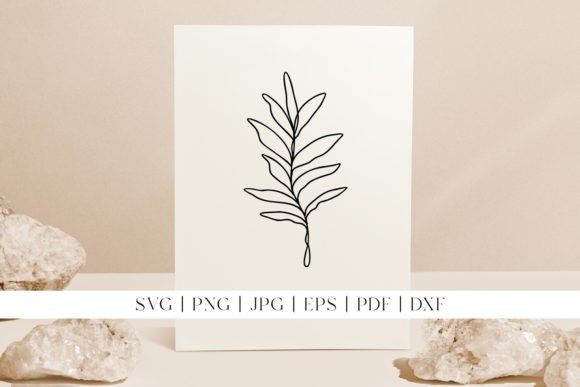
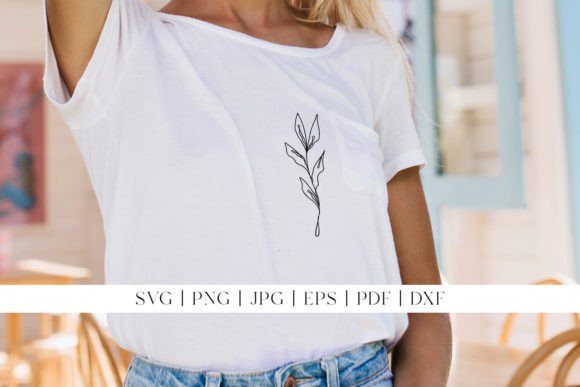
When I first opened the Botanical Line Art Minimalist Leaves design, I was struck by its clean, organic feel. It’s not just another leaf pattern—it brings a quiet elegance that feels modern yet timeless. As an embroidery designer who regularly evaluates graphics for real-world application, this one caught my attention for its versatility and subtle charm.
A Mood of Calm and Modernity
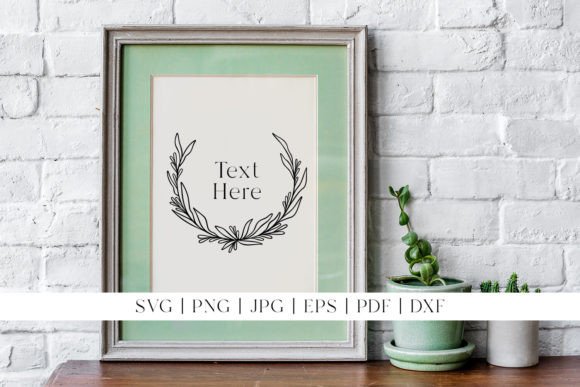
The Botanical Line Art Minimalist Leaves are composed with a sense of simplicity that speaks to today’s aesthetic preferences. The line work is deliberate and refined, avoiding unnecessary detail while still conveying the natural form of leaves. This makes it ideal for projects where you want to evoke a sense of peace or botanical beauty without overwhelming the viewer. The layout suggests it could be used as a standalone motif or easily repeated in patterns—something I always look for when selecting design assets for digital product previews or handmade shop owners looking to build cohesive collections.
Its visual personality leans into the “less is more” philosophy. There’s no bold saturation or heavy shading; instead, the design uses negative space and light strokes to create depth. This gives it a softness that works well on both casual and upscale items, from sweatshirt embroidery to boutique branding elements like aprons or pillow covers.
Performance in Real Embroidery Projects
I tested the design on a few common substrates: cotton t-shirts, felt for patches, and linen for tote bags. On each, the stitch clarity held up surprisingly well, especially considering the intricate nature of the line art. The running stitch and satin stitch sections were balanced, which is crucial for preventing puckering or distortion after washing. For a small shop product line, this kind of reliability can make all the difference in customer satisfaction.
On a custom sweatshirt, the design added a touch of sophistication without being too fussy. Customers often gravitate toward minimalist designs because they’re easier to style and pair with other items. The same goes for tote bag design applications—this artwork sits nicely on a canvas tote, complementing rather than competing with the fabric texture.
In baby embroidery, I found it to be a great fit for nursery decor or personalized gifts. The gentle curves and lack of aggressive angles mean it doesn’t feel jarring next to pastel tones or soft fabrics. It also works beautifully as an embroidered patch, especially when stitched using a tight satin stitch to maintain definition.
For digital embroidery file users, the design translates well into printable mockups. Its low complexity allows it to scale cleanly, which is essential for showing off how it’ll appear on mugs, water bottles, or wall art. That’s a big plus for Etsy sellers and digital product creators who rely on strong visuals to sell their offerings.
Where Caution Is Advised
While the Botanical Line Art Minimalist Leaves design is impressively adaptable, there are a few areas where I’d advise careful consideration:
- Small hoop sizes: The level of detail means it needs adequate room to breathe. If you're working within tight constraints, you might need to simplify or resize the design before stitching.
- Textured or stretchy fabrics: These materials can distort the fine lines if not properly stabilized. Always test on scrap fabric first.
- Dark backgrounds: The design relies heavily on contrast, so thread colors should be carefully chosen. Lighter hues will pop better, but black or white thread can still offer a nice monochrome effect.
- Curved surfaces (like caps): The straight-line structure may require some adjustment for curved embroidery setups. Consider using a flexible stabilizer or breaking the design into segments.
- Dense stitch areas: In spots where the lines come together closely, stitch density becomes important. Too much pressure and you risk overstuffing the fabric. Too little, and the design loses its crisp appearance.
These aren't deal-breakers, but they do highlight the importance of testing the design before committing to a full production run. Whether you're making holiday gifts or commercial embroidery products, understanding these nuances ensures your finished product looks as intended.
Visual Appeal and Customer Engagement
One of the strengths of this design is its ability to enhance visual appeal without shouting for attention. It adds character subtly, which is key for handmade product presentation. Customers appreciate embroidery that feels intentional and elegant rather than cluttered or garish.
Using Botanical Line Art Minimalist Leaves on a custom apparel line can elevate the perceived value of your pieces. Even a simple t-shirt gains a sense of thoughtfulness when adorned with such a clean motif. Similarly, for craft business owners, the design supports brand consistency—especially if your theme revolves around nature, wellness, or modern minimalism.
As a personalized gift option, the design's adaptability shines. You can pair it with names, dates, or other motifs to create unique holiday embroidery or wedding gift ideas. Its universal appeal means it won’t alienate any demographic, making it a safe bet for broad marketability.
Practical Notes for Designers and Makers
Before diving into a project with Botanical Line Art Minimalist Leaves, here are a few tips based on my experience:
- Test on scrap fabric: Especially if you're planning to use it on thin or stretchy material. This helps you assess how well the stitches hold and whether the design maintains its shape.
- Check thread color contrast: The design’s subtlety means the right thread choice is critical. Avoid similar shades to the fabric unless you’re going for a muted, tonal effect.
- Review stitch density: Adjust as needed depending on fabric weight and type. More open weave? Less stitch density. Thicker materials? A bit more.
- Confirm hoop size requirements: Since the design includes multiple leaves, it might span several hoops. Make sure your machine setup can handle the full dimensions.
- Inspect small details: Look at the corners and intersections of the lines. These are the places where stitch paths can become problematic if not optimized.
- Try a black-and-white mockup: This will help you visualize how the design performs in grayscale, which is useful for tonal variations or unexpected lighting conditions.
- Compare light and dark fabric backgrounds: See how the design holds up in different scenarios. Some colors might need special thread treatments to remain visible.
- Use proper stabilizer: Especially on delicate or layered garments. Tear-away alone might not be enough for long-term durability.
- Confirm licensing for commercial use: Before selling finished products or digital embroidery files, ensure you have the appropriate rights. Licensing terms weren’t included in the original description, so double-check with the seller.
Final Thoughts for Your Embroidery Projects
The Botanical Line Art Minimalist Leaves isn’t just a pretty illustration—it’s a practical graphic that can serve many purposes in your creative workflow. From tote bags to tea towels, it brings a fresh, modern touch that aligns with current design trends. Its clean lines and thoughtful composition make it suitable for both personal and commercial embroidery projects, though care must be taken in specific contexts.
If you're an Etsy seller, hobbyist, or part of a small shop product team, this design can be a valuable addition to your portfolio. It’s versatile enough for a range of items, yet refined enough to feel premium. Just remember to consider the fabric, hoop size, and thread choices carefully. With the right preparation, Botanical Line Art Minimalist Leaves can become a signature element in your craft business or a standout feature in your handmade shop inventory.